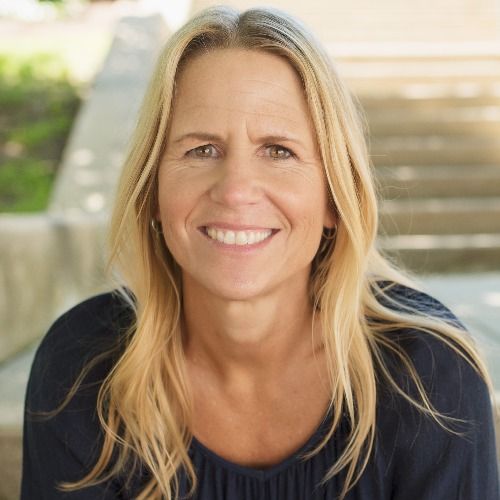
TALKING TO YOUNGER YOU
On this episode of The Karen Kenney Show, I'm exploring what it means to “talk to younger you” - by looking through the lens of Internal Family Systems (IFS) and “parts work”. (#notatherapist)
I also tell a story about a middle-of-the-night moment where I woke up heard myself say, “I’ve got you,” several times and how that sparked a deeper conversation about exiles, protectors (managers + firefighters), and our capital-S Self!
I share a little bit about the 8 C’s of Self and Self-Leadership (like curiosity, compassion, confidence, and calm) and why naming and befriending your parts can be fun and healing!
Plus, I give you a couple of simple ways to start reassuring your nervous system... from bedtime rituals to inner-child check-ins, so you can move through the world with more self-awareness, tenderness, and love.
KAREN KENNEY BIO:
Karen Kenney is a writer, speaker, podcaster, certified spiritual mentor, and coach.
She’s known for her dynamic storytelling, her sense of humor, her Boston accent, and her no-bullshit approach to spirituality, self-development, and transformational change work.
Karen helps people to navigate this whole “being human” experience using a variety of practical tools, personal stories, and universal principles.
She's been a yoga teacher for 25+ years, has been a Thai Yoga Massage practitioner since 2008.
She's also a Gateless Writing Instructor, the creator of WRITE CLUB , and the host of The Karen Kenney Show podcast.
She coaches clients individually in her 1-to-1 program: THE QUEST and in her HEART-TO-HEART DAYS using Voxer. She also leads a group program and community called THE NEST.
CONNECT WITH KAREN:
Website: http://karenkenney.com/
Podcast: https://www.karenkenney.com/podcast
Facebook: https://www.facebook.com/karenkenneylive/
Instagram: https://www.instagram.com/karenkenneylive/
YouTube: https://www.youtube.com/@KarenKenney
Transcript
It's the Karen Kenney show. Hey, you guys!
Karen Kenney:Welcome to the Karen Kenney Show. I'm super duper excited to
Karen Kenney:be here with you today, and we're just gonna dive right into
Karen Kenney:this sucker, and we're gonna start off with a little a little
Karen Kenney:story. So, oh my God, you guys, I'm such a weird sleeper, right?
Karen Kenney:Like, I I don't know about you, right? But hello, hello,
Karen Kenney:menopause. But I wake up. I wake up often a couple of times a
Karen Kenney:night or whatever. At least at the bare minimum, I'm usually
Karen Kenney:awake twice a night. Sometimes it's because I have to pee, but
Karen Kenney:other times it's because I've been awoken by a sound or a hot
Karen Kenney:flash or like whatever the thing is, right? So the other night, I
Karen Kenney:wanted to share this with you because, in my hopes that you
Karen Kenney:are going to somehow find this helpful. I mean, that's the
Karen Kenney:whole point of this whole podcast. I don't just sit. I
Karen Kenney:mean, maybe I do, but I don't just sit up in my office here by
Karen Kenney:myself like a little weirdo talking to myself, I'm actually
Karen Kenney:talking to you, but like I'm alone right now while I'm doing
Karen Kenney:it for my own benefit, right? I do it because I really I use
Karen Kenney:this podcast to spread a little bit more love in the world. I
Karen Kenney:use this podcast as a little bit of like spiritual mentoring and
Karen Kenney:a little bit of coaching and a little bit encouragement, a
Karen Kenney:little bit of of of being able to move through the world,
Karen Kenney:right? Doing this whole being human experience that hopefully
Karen Kenney:maybe we can do it with a little more awareness and kindness and
Karen Kenney:care, and mercy and grace. You know, like that we can just like
Karen Kenney:just know that we're not alone, right? So this podcast, I have
Karen Kenney:many many things. I always say I either want to educate or
Karen Kenney:enlighten or entertain or elevate people, right? I always
Karen Kenney:always want to do that. So hopefully, something I'm sharing
Karen Kenney:today will either be helpful or beneficial, or you can apply
Karen Kenney:this shit to your own life. Okay, and we're back story time.
Karen Kenney:So you know, I was saying I kind of wake up in the middle of the
Karen Kenney:night, and sometimes I wake up in double amen hands. If you can
Karen Kenney:ever relate to this, for some of you it will be when you wake up
Karen Kenney:in the morning. For some of you it will be as you're going to
Karen Kenney:bed. But for me, a lot of times I wake up in the middle of the
Karen Kenney:night, and it doesn't take my brain a long time to like come
Karen Kenney:online, right? Like you know how some people in the morning, they
Karen Kenney:wake up in the morning and they're like, "Don't talk to me
Karen Kenney:until I've had my coffee, or they're really groggy or
Karen Kenney:whatever. So I kind of wake up, my brain goes like, "Blink! It
Karen Kenney:goes online. It starts to to think very quickly, and this is
Karen Kenney:what one of the reasons why I keep my I keep a little notebook
Karen Kenney:and pen right next to my bed because I sometimes get these
Karen Kenney:flashes of insights. I really do believe the little librarians,
Karen Kenney:as I call them, up in my head and the little library in my
Karen Kenney:head, that subconscious place where all the the philofaxes
Karen Kenney:are, the little cod catalog is right. The Dewey Decimal system
Karen Kenney:is going on up there all the time. So those little suckers
Karen Kenney:sometimes have stuff to say at three in the morning, four in
Karen Kenney:the morning. So I keep a little notebook by my bed to jot things
Karen Kenney:down because it's very active. So sometimes I wake up in the
Karen Kenney:middle of the night and there's a thought or a feeling that is
Karen Kenney:immediately there on the surface. And sometimes it's
Karen Kenney:because I've been having a weird dream. Like I don't know about
Karen Kenney:you, but I have incredibly vivid dreams, and they're usually not
Karen Kenney:super soothing. It's not like I have dreams, like oh, I'm
Karen Kenney:flying, or oh, I got a new puppy. You know, I feel like my
Karen Kenney:my brain is working out. It's doing like memory
Karen Kenney:reconsolidation. It's taking the little dramas of the day, my
Karen Kenney:feelings, my emotions, all those things, and it's doing stuff
Karen Kenney:with them, right? It's like it's like doing a little management
Karen Kenney:system.
Karen Kenney:All the little librarians are putting the books back on the
Karen Kenney:shelves and pulling others off and stuff. So, but the other
Karen Kenney:night in bed, finally here we are telling the story. The other
Karen Kenney:night in bed, I woke up, and the way that I sleep is I was like
Karen Kenney:sleeping on my side, and it hurts my shoulder. I used to be
Karen Kenney:able to sleep with my arm straight, but now I have to like
Karen Kenney:bend my elbow. And if you're not watching the show, right? If
Karen Kenney:you're listening to the show, I will describe what what what I'm
Karen Kenney:doing right now. So I was like, imagine I'm sleeping on my side.
Karen Kenney:My lower arm is like usually sticking out straight, but
Karen Kenney:instead I had the elbow bent, so my own hand, right? My forearm
Karen Kenney:was coming across my chest, and my hand was ending up like on my
Karen Kenney:shoulder, and my fingers were like on my back, right? So just
Karen Kenney:imagine, it's like almost like a self hug, like a half of a self
Karen Kenney:hug, right? So I was laying like that. So I woke up. I had my arm
Karen Kenney:like that, and I must have felt like I wasn't very cognizant of
Karen Kenney:this, but I must have felt like a little anxiety rise up in me
Karen Kenney:or something. Because all of a sudden, I heard myself say, and
Karen Kenney:I was tapping myself on the back, and I said, "I've got you,
Karen Kenney:and I said it like three or four times. "I've got you, "I've got
Karen Kenney:you, and I'm patting myself on the back right as I'm saying
Karen Kenney:this. Well, it later occurred to me when I woke up the next day
Karen Kenney:because I remembered this that I was like, "Okay, this is a great
Karen Kenney:question to ask ourselves. I said, "I've got you. I got you.
Karen Kenney:I've got you, which obviously I was trying to soothe or calm my
Karen Kenney:nervous system, but I was also asking the question, "Well, who
Karen Kenney:was the you that the I in I've got you? Who was the you that
Karen Kenney:the I was talking to? And when I asked myself that, I was like,
Karen Kenney:Oh, it was clearly some younger part of myself that was feeling
Karen Kenney:anxious or scared or worried or whatever was bubbling up in like
Karen Kenney:my dream state, you know, whenever I woke up, and it was
Karen Kenney:so comforting and so nice when I was saying I've got you, and I
Karen Kenney:realized, oh, that's like 50-seven going on 50-eight year
Karen Kenney:old me talking to a younger part of me that was feeling whatever
Karen Kenney:it was feeling at the time, which for me I'm sure it was
Karen Kenney:anxious or worried or problem solving. It was doing whatever
Karen Kenney:it does, and I wanted so I wanted to talk to you about
Karen Kenney:this. So the the I, which I would call the self, right? The
Karen Kenney:I part of me, the true self. So, and and we're going to get into
Karen Kenney:this in a minute. Was talking to a youngest self, and I know that
Karen Kenney:I've talked on this podcast before. I have mentioned several
Karen Kenney:times about IFS, right? Internal Family Systems, IFS, commonly
Karen Kenney:known as Potswork, P-A-R-T-S. Pots. Like I have a part of me
Karen Kenney:that wants to go to the movie. I have a part of me that wants to
Karen Kenney:stay home, right? Like pots work. Now, before we get into
Karen Kenney:all of this, though, I have to make. I always say this. I say
Karen Kenney:this to my clients. I say to my mentoring clients, my coaching
Karen Kenney:clients, everybody. Whenever I'm kind of giving like any kind of
Karen Kenney:mentoring, coaching, whatever advice, or people are asking me
Karen Kenney:questions about my opinion, I always go hashtag not a
Karen Kenney:therapist. Hashtag not a therapist, right? So I don't
Karen Kenney:have a degree in mental health counseling. Da da da da. I have
Karen Kenney:been a spiritual mentor for a wicked long time, certified. I
Karen Kenney:did a training, a year long training, with a brilliant
Karen Kenney:brilliant person who was a therapist and went to divinity
Karen Kenney:school and was like you know, and still it still alive and
Karen Kenney:still brilliant and smart, and I have been certified, you know,
Karen Kenney:in a coaching program with another brilliant mind, Melissa
Karen Kenney:Tias. Right, so I've been doing this work for a long time, but
Karen Kenney:I'm still hashtag not a therapist. And I'm saying that
Karen Kenney:because if you're listening to this, I don't like there.
Karen Kenney:There are therapists out there that you can specifically go and
Karen Kenney:see to do IFS work, internal family systems work. You can go
Karen Kenney:to see them and to do pots work, like formally. Da da da da. The
Karen Kenney:stuff that I'm sharing with you today is going to be hopefully
Karen Kenney:helpful and stuff like that. But I want you to think of it as
Karen Kenney:like, as Linda Tai says, the brilliant Linda Tai says, like
Karen Kenney:sip sip. I'm just giving you a little sip, sip, a little taste.
Karen Kenney:It's a little taste. It's a little peaky. It's a little
Karen Kenney:gander, right? But I want you to like do your own homework.
Karen Kenney:That's wicked important to me. That if I give you a taste of
Karen Kenney:something and you're like, "Ooh, this really spoke to me, or
Karen Kenney:"Wow, I can see how that could be helpful, right? I want you to
Karen Kenney:do a little homework. So I got some books here that I will also
Karen Kenney:share with you, so and there's more to this. There's there's a
Karen Kenney:fun another fun part to this, but that's what kicked off this
Karen Kenney:whole thing. This is the the heartbeat of the inspiration of
Karen Kenney:this episode, right? Who is the you that the I was talking to?
Karen Kenney:So I'll just show it up so you can see. So this is this is like
Karen Kenney:oh my god, this book is so old. Look at Richard Schwartz when he
Karen Kenney:was wicked, wicked young. So I'm holding this up. This is the
Karen Kenney:Introduction to Internal Family Systems Model (IFS) model by
Karen Kenney:Dick Schwartz. Richard Schwartz. He was the one who kind of came
Karen Kenney:up with this. Now this one is from 2001. That's how long. This
Karen Kenney:is an old book. Okay. He's since then revamped. revamped it. It's
Karen Kenney:come out again. This one came out, I think, in yeah, 2023.
Karen Kenney:This one came out, same book. So I'm just holding up the two, the
Karen Kenney:two of them, so you can see the same Z's, but new cover. So the
Karen Kenney:one over here that I'm tapping with my finger, Introduction to
Karen Kenney:Internal Family Systems, or just watch, just has a new cover,
Karen Kenney:updated like you know, 20-two years later. So you got these
Karen Kenney:suckers right here, and these will hopefully be helpful. Okay,
Karen Kenney:so if you want to check out more on IFS, okay, here are the
Karen Kenney:books. Great. Okay, but let me just give you a little a little
Karen Kenney:snipsy of this whole thing and why I think it can be incredibly
Karen Kenney:helpful for us. So in IFS, in internal family systems, right?
Karen Kenney:And what I love about this is there is, to me at least,
Karen Kenney:there's a spiritual component to this. So, in spiritual work or
Karen Kenney:whatever, we often talk about the self. Like in yoga, we say
Karen Kenney:the Atman, right? In other traditions, we just say the self
Karen Kenney:with a capital S. Like to me, that means your true self. Then
Karen Kenney:that we sometimes will say the small s. Self, right. This is in
Karen Kenney:other things. I'm not talking about IFS yet. In other
Karen Kenney:traditions, we might say the small s, which is like the
Karen Kenney:personality and the ego and the patterns and the bullshit and
Karen Kenney:all your habits and stuff. Then there's your capital S self.
Karen Kenney:That's the divine self, the true self, the eternal, unchanging
Karen Kenney:self. That's the capital S self. Well, in internal family
Karen Kenney:systems, they also have the capital S self, which I would
Karen Kenney:say, and they call this the self. And the self, think of the
Karen Kenney:self. It's been described as many things. It's like the core
Karen Kenney:of who you are. It is the essence of who you are. It is
Karen Kenney:the captain of the ship. People have often. I was trying to see
Karen Kenney:if there was another description here. It doesn't matter. But
Karen Kenney:think about that. That the same thing. That capital S self is
Karen Kenney:the truth of you. To me, that is like the healed part of you.
Karen Kenney:That is the part of you that is like more. Maybe we would say
Karen Kenney:even beyond the adult or the mature, or the healed-right?
Karen Kenney:Those those words. But this is like again the part of you that
Karen Kenney:is grounded. I would say in love. It is the true essence of
Karen Kenney:who you are.
Karen Kenney:Before the world got its hands on you, before you had your
Karen Kenney:traumas and your dramas and the family stuff and all the
Karen Kenney:bullshit and all the wounds and the harm and all that stuff.
Karen Kenney:Before all of that, there is that true self, the core of who
Karen Kenney:you really are. Okay, now what we're trying to do when you're
Karen Kenney:doing Pat's work, ultimately, and this is another book I'll
Karen Kenney:hold up here because I want to I want to show you this. This is
Karen Kenney:another book by Dick Schwartz, Richard Schwartz, called "No Bad
Karen Kenney:Pots, No Bad Pots, and it's called "Healing Trauma and
Karen Kenney:Restoring Wholeness with the Internal Family Systems Model.
Karen Kenney:This is really thing, but here are the four basic goals of
Karen Kenney:internal family systems. This is straight from his mouth, from
Karen Kenney:his book, right? This is the goal, the four basic goals of
Karen Kenney:IFS. Number one, and we're going to get into these pots, right?
Karen Kenney:So remember when I go back to that story and I said, "Who was
Karen Kenney:the you that the I was talking to? Those you bits, those you
Karen Kenney:bits, what I would call the younger pots of me, right? We
Karen Kenney:call those pots, and we're going to get into that in a minute.
Karen Kenney:But the four basic goals of IFS is number one to liberate your
Karen Kenney:pots from the roles that they've been forced into, so that they
Karen Kenney:can be who they're designed to be. More on that later. One to
Karen Kenney:restore trust in the self, capital S self, and self
Karen Kenney:leadership. And we're going to get into self leadership too,
Karen Kenney:because the self and the self leadership was that I part of me
Karen Kenney:that was telling the younger part of me, "I've got you. Okay,
Karen Kenney:that was number two. Restore trust in the self and self
Karen Kenney:leadership. Number three is to reharmonize the inner system,
Karen Kenney:this inner system of the this kind of inner family that you
Karen Kenney:have of all these paths, okay, and then it's to become more
Karen Kenney:self-led. That self-leadership to be more capital S self-led in
Karen Kenney:all of your interactions in the world. These are really great
Karen Kenney:goals. They're very important, okay. So to get into this, think
Karen Kenney:about this. We have when we when you want to think about like
Karen Kenney:your pots, your pots in action, right? Like today, I went to the
Karen Kenney:gym this morning, and there might be a time like you wake up
Karen Kenney:and you're like, okay, well, one part of me wants to go to the
Karen Kenney:gym because a I want to keep my word to myself, I want to stay
Karen Kenney:in self integrity, I want to like grow my muscles, I want to
Karen Kenney:stay fit and healthy and strong and all of those things, but the
Karen Kenney:other part of me is like wants to stay home and relax, right?
Karen Kenney:So we say this all the time. Patchwork is not some kooky,
Karen Kenney:far-fetched whatever. We talk about the different parts of
Karen Kenney:ourselves all the time. One part of me, even though I ask for the
Karen Kenney:divorce, and you know, there's one part of me that wants the
Karen Kenney:divorce. There's one part of me that still loves them. There's
Karen Kenney:one part of me that's angry, but there's another part of me that
Karen Kenney:understands that they just had a tough childhood and da da da da.
Karen Kenney:So we have all these parts within ourselves. Now remember,
Karen Kenney:I'm keeping this like super light. I'm not going to go like
Karen Kenney:again. Hashtag not a therapist, but I do think that knowing
Karen Kenney:these things can be wicked helpful when we're trying to
Karen Kenney:understand ourselves, when we're trying to understand others, and
Karen Kenney:we're trying to-for me, I will say that Pat's work has been
Karen Kenney:really, really huge in my work with forgiveness. Me personally,
Karen Kenney:I'm not saying it should be for you. It has just been wicked
Karen Kenney:helpful for me. Okay, so then you basically have the self-that
Karen Kenney:is the captain of the ship. It's over here, and then we have
Karen Kenney:these parts. So the parts are broken down into a couple of
Karen Kenney:different categories. There's the protectors, and underneath
Karen Kenney:the protectors, there's two kinds, right? There's the
Karen Kenney:manages, and then there's the firefighters, and we're gonna
Karen Kenney:get into those. Okay, that's the next step. Those your pots, they
Karen Kenney:only exist now.
Karen Kenney:If you guys have ever heard me say on this show, like, oh, one
Karen Kenney:of my pots that I have named because I love to name my pots.
Karen Kenney:So one of my pots I call Vicky with 2k from Lawrence, and Vicky
Karen Kenney:is the one who kind of like she's a major protective man.
Karen Kenney:Like she's got something to say. She doesn't like it when there's
Karen Kenney:an injustice. She doesn't like it when somebody's mean to
Karen Kenney:animals or little kids or women or old people or anybody. She
Karen Kenney:doesn't like meanness. She doesn't like bullies. She
Karen Kenney:doesn't like injustices, right? Like, and she's like, "Give me
Karen Kenney:the mic. I got something to say. Right. So she's like this tough
Karen Kenney:part of me. She's still alive and well in there. And I always
Karen Kenney:say, like, I like to give Vicky with 2k from Lawrence, a job
Karen Kenney:every once in a while, but we cannot we cannot let her run the
Karen Kenney:show. She peeks up she peeks her head up every once in a while,
Karen Kenney:and I'll be like, "Hey, Vicky, what's happening? So we're gonna
Karen Kenney:get into that in a minute, okay? But so we have protectors. I'll
Karen Kenney:tell you a little bit more about the managers and a little bit
Karen Kenney:more about the firefighters in a moment, but they exist. I always
Karen Kenney:say it like this again. Hashtag not a therapist. This is just my
Karen Kenney:point of view. I look at the protectors. I always ask myself
the question:Well, who are they protecting, right? So what
the question:they're protecting, or who they're protecting, is what we
the question:would call the exiles, and the exiles are like the wounded and
the question:really vulnerable parts of your internal family system-I would
the question:call them the younger parts of you-which is going back to when
the question:I said, "I've got you. That you I was talking to was some
the question:younger part of me that was feeling whatever it was feeling,
the question:right? So that the wounded and vulnerable parts of
the question:ourselves-they often carry the pain and the memories from our
the question:childhood, from our past traumatic experiences, and a lot
the question:of people do not like to think about those old experiences.
the question:They don't want to talk about those old experiences. They
the question:certainly don't want to revisit them and feel them. So what do
the question:they do? And I'm doing this with my hands, you guys. They're up
the question:by my face, and I'm pushing them down and out, right? They're
the question:just like taking those parts of you, those younger, vulnerable
the question:parts of you that might still be scared, or feel abandoned, or
the question:lonely, or angry, right? Like, and they're just going, nope.
the question:They're just like, nope. So the exiles, those younger parts of
the question:us who didn't have a voice, didn't get a say. Didn't matter
the question:what we wanted. Didn't matter what we felt. weren't asked to
the question:have an opinion. Didn't care. Didn't matter. Suck it up. Stuff
the question:it down. Those exiles literally got sucked up and stuffed down
the question:and sent off to Siberia. Right. So they they have been quote
the question:unquote exiled. So the exile, and I'm reading this from exiles
the question:are often hidden by protectors and managers to prevent the
the question:individual from experiencing the intense emotions that are
the question:associated with the past wounds, that's the role of the exiles.
the question:And the goal is to keep those very vulnerable pots protected,
the question:which hence we have right the protectors, we have the manages,
the question:and we have the firefighters. So, what the managers do in
the question:Double A men hands, man, I can highly and easily recognize
the question:these pots within myself. So maybe and hopefully, fingers
the question:crossed, like you can too. So, the firefighters. So, what?
the question:First of all, number one, the managers try to keep us safe by
the question:controlling other paths or people or situations. So what
the question:the managers often do is they're proactive protectives, right? So
the question:they try to avoid and prevent and control against perceived
the question:threats. They're like, okay, something's going to go down, so
the question:I'm going to be wicked hyper vigilant, wicked hyper
the question:responsible, and I'm going to plan, and I'm going to organize,
the question:and I'm going to control. And they work alongside, right? The
the question:other protectors. What they want to do is they want to maintain
the question:order, and they want to prevent the individual. In this case,
the question:I'll just say me from feeling overwhelmed, right? So managers
the question:try to prevent the vulnerable feelings from emerging. They're
the question:proactive. They're like type A. They get shit done. Right.
the question:They're controlling.
the question:They can be nitpicky. They're quick to criticize. Right. Like
the question:those are those parts of you. The perfectionist. Right. They
the question:try to prevent the vulnerable feelings from emerging by
the question:staying in control and avoiding potential triggers, you know
the question:when you say, "Oh my God, that triggered me! I got so
the question:triggered! Right? They're trying to avoid that, and they're very
the question:much, you guys, associated with a sense of responsibility or
the question:duty. I have to do this, right? Not so great, maybe at
the question:delegating, right? Like I've got to do it. I've got to take care
the question:of it. I got to stay on top of it. They're literally being
the question:proactive and trying to prevent bad shit from happening. Those
the question:are the managers who are the protectors. Okay. So the
the question:protectors again. Remember the overall job of the protectors,
the question:both the managers and the firefighters, is to shield the
the question:individual from pain and vulnerability, so they can take
the question:on roles. Being critical, perfectionist, controlling, and
the question:sometimes even aloof, aloof, aloof, aloof, aloof. It's aloof.
the question:Okay, so that's what they do. They they try to guard against
the question:pain. They guard against emotions that are attached to or
the question:associated with past experiences, that especially the
the question:traumatic ones. So they use all these different strategies to
the question:kind of maintain control. That's really it is. They're looking
the question:for safety, just how like how your nervous system's number one
the question:question is always: Am I safe? Am I safe? Am I safe? Am I safe?
the question:So also your protectors are trying to maintain safety and
the question:control. That's what they do. The managers do it in a very
the question:proactive way. The firefighters, this other group of protectors,
the question:they do it in a reactive way. So the firefighters are kind of
the question:like think of them as like emergency responders, like first
the question:responders, right? I was just working the other day. I did
the question:Thai yoga massage, Thai yoga body work on a firefighter the
the question:other day, and I was just thinking about how like they're
the question:the ones that rush in, right? The firefighters, there's a
the question:perceived threat, like something is going on. There's a fire.
the question:There's an alarm going off. There's an accident. They go
the question:rushing in, and that's what our firefighters do, right? In the
the question:internal family systems model, is they are there to be
the question:emergency responders, so when your system starts to feel
the question:overwhelmed, or some younger part of you, remember the
the question:managers and the firefighters are protecting the exiles. So
the question:when one of your exiles, those younger parts, gets triggered,
the question:or scared, or worried, or anxious, or whatever, right?
the question:They come right in. They are the reactive ones. The managers are
the question:proactive, right? The managers are like, "Oh shit, the house is
the question:on fire. We got to do something now, right? There's a big
the question:feeling coming up. There's a big situation, right? And some part
the question:of us is like freaking out. The alarm is sounding, right? The
the question:anxiety is firing. Whatever it is, so the firefighters tend to,
the question:though they respond more impulsively. Anybody here a
the question:little impulsive sometimes? Raise your hands. Right? I'm not
the question:so much anymore, but I used to be more impulsive. And you're
the question:not even aware that you're being impulsive because it happens.
the question:The decision in your mind to protect and put out the fire
the question:happens so quickly, but I'm way more aware of it now. So they
the question:respond impulsively to like overwhelming big emotions, stuff
the question:like that. Okay, so they often engage though. Here's how they
the question:show up, right? Where the where the managers are a little bit
the question:more critical, perfectionist, controlling, or aloof, right?
the question:The firefighters are more like they engage in behaviors like
the question:substance abuse, or self harm, or other kind of like impulsive
the question:actions. That their job is to try to distract you or to numb
the question:you, like those intense feelings when they're flaring up, when
the question:they're coming up. They just want to put out that fire, so
the question:they will react and do whatever they can. Sometimes we can see
the question:it as compulsive behaviors like over-exercising, like anything
the question:where you're basically trying to, you know, like I said,
the question:substance abuse. Not everybody. I'm just saying this is why I
the question:said hashtag not a therapist. Do your own homework. I'm just
the question:saying this is the general understanding that is kind of
the question:out there, and firefighters often come into play when
the question:protectors and managers are unable to contain the emotional
the question:distress.
the question:Like let's say a part of you was being really proactive and
the question:trying to do everything to keep you safe, and then that whatever
the question:strategy that was failed, and that's when the firefighters
the question:come on because they try to do a quick escape. They're like,
the question:"We're out of here. So whether it's smoking cigarettes or doing
the question:drugs or drinking or shopping, distraction, distraction, numb,
the question:numb, numb. The firefighters are like, "Let's go! Like, make
the question:yourself go run. And this is why we see a lot of times people
the question:just kind of switch tactics, right? So maybe, and again, I'm
the question:just using whatever examples. They kind of go from one extreme
the question:to another. They might stop, you know, using a substance, but
the question:then they start doing like hardcore Ironmans, or they, you
the question:know, they they just go from one extreme like to another. They
the question:stop doing this, and then they're like rock climbing the
the question:hottest peak, you know, whatever it is. So it's like knowing
the question:ourselves, and this is one of the things I love about IFS
the question:work. The thing that I have found most fascinating about Pat
the question:stuff is really. It helps me to become more self-aware. It helps
the question:me to know myself better. It helps me to know like how I'm
the question:reacting, how I'm responding, why I am, and when I can
the question:understand my own internal story and what's going on inside of
the question:me, what exile is trying to speak, which exile is having the
the question:panic attack or the anxiety or the worry or the fear or
the question:whatever is going on? I think of the capital S self as love. Like
the question:to me, that's the that's the love, right? And all these pots,
the question:the protectors who are the managers and the firefighters,
the question:and then the exiles that they're protecting. These pots are all
the question:the pots of me. Sometimes that have forgotten that they're
the question:actually a capital S self. They feel fragmented. They feel
the question:alone. They feel very afraid because they're out in the wild
the question:trying to defend themselves and protect themselves and survive
the question:because they've forgotten that who they really are is the
the question:capital self s, the capital S self and the the the core of you
the question:that love and that self energy we're going to talk about we're
the question:going to come back to that like because there's great qualities
the question:in the self and that will help us to identify when we're more
the question:in that self energy but let's kind of tap into the exiles now
the question:so you know about the protectors, the managers, and
the question:the firefighters, and then there's also the exiles. This is
the question:also a great book. I'm going to show you this one as well. This
the question:one is called "We All Have Pots, and this is an illustrated guide
the question:to healing trauma with internal family systems. This is by
the question:Colleen West, and I love it because it's like a little
the question:picture book, and you can see. Like I'll just flip it open to
the question:the little exiles page because I think it's so cute, and it
the question:talks. Okay, like this is this is a great picture. So this one,
the question:what I'm describing is right in the middle of the page. There's
the question:a big sun, and that's how I like to think of the self too. It's
the question:like that bright, true light that you are-the love, the true
the question:self. That's in the middle of the page, and then on the left
the question:are the managers, and the managers are like the type A
the question:executive, the caretaker, oh, the people pleaser, the one that
the question:does everything. That's one of the managers as well, and then
the question:like the hash critic. That's how your managers can show up in
the question:these different ways, and then on the on the right over here
the question:you have the firefighters, and they have like compulsive
the question:drinker, compulsive eater, compulsive exercises, right? So
the question:those are the very reactive. The managers proactive, and then
the question:down here you have the exiles, and there's pictures of
the question:different people, and the exiles they they gave them. Colleen
the question:gave them these great names. There's the terrified toddler,
the question:the hungry baby, the hostile and lonely teen, the confused and
the question:angry kindergartner, the ashamed preteen, and the neglected
the question:infant.
the question:And when you see those little exiles like personified as like
the question:little cartoons, for me it just really gave me so much
the question:compassion for them, for me, and then for everybody else, kind of
the question:in the world, where we're all just trying to to help, you
the question:know, these exiled parts of ourselves that are kind of
the question:having I say conniption fits, right? They're kind of having
the question:little tantrums, you know, and this is what I'm talking about.
the question:When people often say to me, "Oh, it's too bad that you don't
the question:work with children. You don't work with kids. They could
the question:probably really use this stuff. And I said, "Well, technically,
the question:I work with adults, but I'm really just working with little
the question:kids and adult bodies. You know what I mean? We all have these
the question:younger parts of us, and the thing is, is when there's trauma
the question:in our life, when there's these earlier wounds, these things
the question:that happen to us when we're younger, I think of it as like
the question:our exiles kind of get they they carry the memories of our
the question:childhood, the exiles, and for me, anyways, I feel like those
the question:parts of us that whatever age we were at when those traumas
the question:happened, parts of us get frozen in that time. It's like they did
the question:not get the note, they did not get the memo, they did not get
the question:the system update. Like, hey, I'm 57 now. We made it. We're
the question:still alive. We're happy. We have an awesome sweetie, right?
the question:My husband's amazing. I have, I have, I have a good little group
the question:of core friends, right? I have furry kids that I'm crazy with.
the question:I have a job I love. Whatever we don't realize, and so one of the
the question:questions I always tell my clients is when they're having
the question:some big reaction, when they're having a big emotion, when
the question:they're having a big trigger, is one of the questions we can ask
the question:ourselves is how old am I right now? Right, that part of me,
the question:like when you're just responding in a way where you even surprise
the question:yourself. Sometimes you're like, I don't know why I'm even
the question:crying. I don't even know why I'm angry. I just know blah blah
the question:blah. I'm like, well, some part of you knows why you're angry.
the question:Some part of you knows why you're crying. Maybe we can like
the question:reach out and make a connection. Maybe we can have a little
the question:conversation with that younger part of you, right? And so I'll
the question:ask myself, "How old are you right now? What age am I right
the question:now? Because that helps me to get in touch. Like, oh yeah, I
the question:remember first feeling like this when I was six, or I remember
the question:the first time I, you know, whatever a sibling stole a toy,
the question:and I was like, "Mine, or you know, I didn't want to share, or
the question:I was really embarrassed, or whatever is coming up within me,
the question:it's like, oh yeah. So if we can kind of tap into what younger
the question:part, what little exile, right? Is it the toddler? Is it the
the question:pre? You know, the preteen? Is it the teen? Like, how old are
the question:you when this? Um, were you that you know? What age do you think
the question:you're reacting? Right, what exile is trying to let you know
the question:that they're scared or there's an issue, and it comes back to
the question:that. Like when I was in bed and I was patting myself, I was
the question:self-soothing, right, as we say, and I was saying, "I've got you,
the question:I've got you, I've got you. I was kind of trying, like
the question:updating. I was updating whatever that young exile is to
know:number one, you're not alone. Number two, I feel you. I
know:can feel you having whatever experience you're having, and
know:I'm not going to abandon you. We don't abandon anymore. I just
know:did a whole episode on this about you know stop abandoning
know:yourself. So I don't abandon those parts of me anymore. You
know:know, there are many years where like maybe I'm like, nope, we do
know:not have time for your trauma and your drama and your dead
know:mother and your your bullshit, right? It wasn't bullshit. Those
know:were the hurt parts of me. But for a long time, I was just in
know:survival mode. I had to survive my life. There was not a lot of
know:time to go back and do like wound care.
know:You know what I mean? There was no, there was nobody, no man
know:left behind. I was leaving parts of me behind all the time, and
know:now I'm just like, yeah, no, they get a voice. I don't let
know:them run the show, but I can tell when I'm having a reaction
know:from those younger parts of myself, you know. And I try to
know:meet them with really, I try to meet them with self energy. I
know:try to meet them with loving care, and I always laugh because
know:I remember when these concepts like first came up. I remember
know:living in California, like back in the day when I lived in LA
know:and stuff. And you know, back then is when these concepts of
know:like shadow work or the inner child or IFS, these things
know:started like coming up. And I remember I used to always like
know:roll my eyes. I used to find the idea of like inner child work.
know:I'd be like, like, come on, right? Vicky with 2k from
know:Lawrence was like not into it, right? Some other part of me
know:that was like, no, we're not doing that, and I laugh because
know:I found this sticker. I bought this sticker so long ago, but
know:this sticka is so funny, and because everybody would be like,
know:"Just be kind to yourself, just love yourself, like listen to
know:your inner child, and I'd be like, "Yeah, but you don't
know:understand. My inner child is like not nice, right? And then I
know:found this sticka. Look at this; it's so great. It says, "My
know:inner child is a mean little fucker. That that about summed
know:it up. My inner child is a mean little fuck up, but since then,
know:all those younger parts, you know, within me, we've had some
know:conversations over the years, and so I really do try to first
know:of all acknowledge those parts of myself, like tell them that I
know:see them. I ask them, you know, what is it that they need me to
know:know? What are they trying to tell me? What what's going on?
know:Right. I try to really listen. Now, this signs like for some
know:people, they're like, "This is kooky monkeys. I'm not talking
know:to myself that way, or I I I'm not doing that, you know. And I
know:say, "Hey, if you saw a little kid, like a little little kid,
know:right? Distressed somewhere, right? At the store, at a county
know:fair, on the street, whatever. I don't think most of the people
know:that I know, right, would walk by a distressed child and not
know:bend down and get at eye level and say, sweetheart, are you
know:okay? What's going on? Where's your mom? Where's your dad?
know:What's happening? Right? You would you would pay attention.
know:And I'm like, if we would do that for strangers, if we would
know:do that for a little kid outside of us, why would we ignore the
know:little kid inside of me? And here's a little trick that you
know:might find useful too. If you find all of this a little like,
know:like eye rolling or weird, or you don't like it, IFS isn't for
know:everybody. Maybe I'm not saying you have to do it or even
know:whatever, but these are just interesting things to consider.
know:But I found when I was first, you know, trying to have these
know:conversations with the younger parts of me that it was like
know:somebody once said to me, "Well, try to picture yourself when you
know:were like three. Try to picture yourself when you were two or
know:three or four, a young kid, and you know, imagine them. And I'm
know:like, "Okay. And they're like, "Well, would you pull them into
know:your lap? Would you hug them? And I felt this is just this is
know:years ago, but I honestly felt resistance. I was like, I don't
know:want to do that. Like, I don't know how to do that. Like, I
know:could easily do it with little humans outside of my own body.
know:But for myself, I had this resistance, and so all of a
know:sudden, I blurted out. I said, "Can I make it an animal?
know:Because I knew, I knew there was no way animal outside of me or
know:inside of me. If it needed my attention, if it needed my care,
know:if it needed my compassion, my tenderness, my love, I would not
know:ignore it.
know:I just knew, and the person I was speaking to at the it was a
know:therapist, but we were doing we were doing work for. IBS. We
know:were doing work for my my my gut issues. We weren't. It wasn't
know:even like, oh, we're going to psychoanalyze you and like that.
know:But it was part of this this thing working on my IBS, and I
know:these pots just kind of came up. I said, can I make it a little
know:animal? And she said, sure. If that's you know, yeah, if that
know:works for you. She's like, "What is it? And I said, "Oh, it's the
know:little bunny. And she's like, "Okay, so there's a frightened
know:little bunny. What are we gonna do? I said, "Oh my God, I'm
know:gonna like pick it up. I'm gonna hold it close to me. I'm gonna
know:talk to it sweetly. I'm gonna, I'm gonna like pet it. I'm gonna
know:reassure it. I'm gonna say, 'I've got you. I'm here. I love
know:you. You're okay. And I was like, "Oh, duh, right? Like like
know:oh, this is probably how I want to be talking to the younger
know:parts of me. Right, talking to the younger self. It's like oh,
know:younger you. Right, who's the you? I'm like oh, it's younger
know:me. Like yes, and how do I want to talk to this? How do I want
know:to meet this younger part of myself? Well, I want to meet it
know:in self energy, right? The protectors have been trying to
know:do their job. The protectors have been running around trying
know:to put out fires, trying to control everything, trying to
know:make sure the the younger parts of me didn't get help, didn't
know:get hurt again. But what happens is all those parts of me become
know:burdened. They become overwhelmed and burdened.
know:They've been given jobs that they shouldn't have been given
know:at ages that they shouldn't have been given because there should
know:have been adults outside of me protecting me, caring me, seeing
know:me, listening. Right? All those things, teaching me these things
know:that I wasn't alone, that I wasn't abandoned, that I was
know:allowed to have feelings, blah blah blah blah blah, right?
know:Again, hashtag not a therapist, just saying. But so we create
know:these internal pots, these internal think about even the
know:words. There's an internal family in there, and there were
know:parts of us that didn't get parenting, that didn't get what
know:they needed, right? And so the firefighters and and the
know:managers are like running around trying to do all this work to
know:protect. And the thing is, is sometimes we just have to have
know:some conversations with those younger selves. And it's like
know:you know when you do like a system update, whether you're an
know:Apple user, a Mac user, or you're you know somebody who
know:uses Windows and Microsoft, whatever. There's system
know:updates. We have to start downloading the updates and
know:letting those younger parts of us know that we made it. We're
know:still here. Yeah, we still have some work to do. Yeah, we're not
know:perfect. All that stuff, but we are older. We're wiser. We're
know:more self-aware. We have more self-compassion. We have more
know:tools. Hopefully, you guys. Hopefully. Now I know some of
know:you are thinking about maybe your parents or some people in
know:your life, and like, well, they clearly had do not have the
know:tools. But we can't control what other people are doing, so let's
know:keep the focus on ourselves. But we can gather the tools, right,
know:to be more helpful to ourselves. But when those younger pats,
know:when we're going to Engage with when we're going to engage with
know:those younger parts. I want to be coming to them from a place
know:of not only love but from my true self, the self, self, the
know:capital S self. I want that part of me to be leading the show,
know:right? To be running the show, and there's these eight
know:qualities, the 8c's right? The 8c in internal family systems
know:that they're called, and these are like the qualities that we
know:want to show up with, that describe the core qualities that
know:emerge as we do this work of unburdening, right? Unburdening
know:and healing our parts. As we do this, we start to realize that
know:these 8c already exist within us. They've just been.
know:It's like when a cloud comes in front of the sun and the sun
know:gets blocked, and it can be really easy to think like, oh,
know:right, that that that that is not there anymore. The love
know:isn't there anymore. But you can never extinguish the sun, and
know:you can never extinguish yourself, your true self. So
know:these eight qualities of the self, right? They're curiosity
know:and clarity, compassion, confidence, courage, creativity,
know:connectedness, and calm. All right, I'll say them again.
know:There's curiosity, this clarity, compassion, confidence, courage,
know:creativity, that connected, that connectedness, and calm. And the
know:thing that's great about knowing these, and why I said them
know:twice, is so that maybe you hear them, they start to sink in.
know:Because the more we're familiar with these qualities, the more
know:you'll be able to tell when you're in your self energy and
know:leading from yourself self leadership versus when you're
know:not. So when you're panicking, when you're anxious, when you're
know:angry, when you're upset, all those emotions. Are welcome, but
know:we don't want to be living and making like decisions from that
know:place. We want to be able to tap into these 8c's and when we
know:recognize the feeling of these, of staying in curiosity, meeting
know:ourselves with curiosity instead of judgment, having clarity in
know:that awareness, showing up with compassion for those younger
know:parts of ourselves showing up in the confidence, like, hey, I'm
know:this age now. I made it. I have more tools. I have people who
know:love me. I have a roof over my head. Right. I got food in the
know:fridge now. Having courage, having creativity, problem
know:solving. Right. Using your imagination and stuff like that.
know:Feeling a state of being a part of something greater than you.
know:Feeling connected and doing it from a place of calm, that you
know:can find safety, that you can have serenity, regardless of the
know:insanity going on. Right? We don't have time to dive into all
know:the 8c's but the more you're familiar with these, the more
know:you'll recognize when you're in alignment with those 8c's and
know:you're living from that place, and you're loving and talking
know:and whatever, choosing from that place, from love instead of fear
know:of a lot of the managing and the protecting and the exiles, and
know:that's a really important thing, you know. And so I just wanted
know:to share these concepts and ideas with you. And like I said,
know:if you're curious, please like rewind and look at the books
know:again that I held up and showed you, right? There's a treasure
know:trove here of learning more about Pat's work, internal
know:family systems. You know that Dick Schwartz, you know, came up
know:with. Although some people say somebody before him came up with
know:some ideas, and on and on. And that's true. Do your homework.
know:Credit the original sources. Know where things come from.
know:Okay. So the last thing I wanted to say about all of this, and
know:this also is like a bedtime story. Is there was a an old
know:little cartoon or meme? It came out in like I think the first I
know:tried to do the research. The earliest version of it I could
know:find came from 2022 from a video creator or whatever. The name I
know:had the name written down. I can't find it now, but it has
know:since been morphed a million times. So tons of people have
know:taken what's the word, made it their own, and they say that
know:they created it. So I'm not even going to name all those people,
know:but here's the gist of it. There's this little cartoon of a
know:little person in bed, and this is that pot, like these younger
know:pots of us that need our attention. And I'm telling you
know:this is because I say this to myself at night now. So there's
know:a couple of things I do in my nighttime ritual. Whatever, I'm
know:not going to share them all with you because my nighttime ritual
know:isn't your nighttime ritual. Maybe you have a bedtime ritual,
know:nighttime ritual. Maybe you don't. But I also say this to
myself:If I wake up in the middle of the night to put
myself:myself back to sleep, right? So this idea of like tucking
myself:yourself in, right? So when I was a little kid, right, my mom
myself:would always like tuck us in. When she would, you know, she
myself:was out at night.
myself:When she came home, she'd come into our rooms, make sure we
myself:were tucked in. But when we were little, she would like tuck us
myself:in at night a lot of times, right? And I loved, like I
myself:loved. Maybe you're like me, I don't know, but I loved getting
myself:tucked in at night. And I remember being in my 20s, and
myself:one night I slept at my boyfriend's house, and he still
myself:at the time lived at home, and I loved his parents. They were
myself:wicked cool, and we were like going to bed, and she came in,
myself:and she's like, "I'm gonna tuck you in, like kind of joking. And
myself:I was like, "Yes, like do it. I was so excited to have a mom
myself:tuck me into bed because look, I didn't get enough. For me, I was
myself:like, didn't get enough of it, and I'm sure I would have
myself:outgrown it at some point. But I was still young enough at the
myself:time that I kind of loved getting tucked in when I was a
myself:kid. Okay, so imagine this little little character, right?
myself:This little cartoon character is like tucked into bed. Okay, and
myself:you've probably seen this or heard this, but this is what
myself:this little character says to themselves. They say this,
myself:right? Here's a little video. It goes, "Good night to me. I love
myself:myself so much. I mean the world to me. And then this little
myself:character kisses its own palm, and then it touches its own
myself:forehead, giving himself, itself, herself a little
myself:forehead kiss. When I saw this, I was like, "Oh my God! Like one
myself:of my exiles just got like so happy. Some little part of me
myself:was like, "I love that. So I say that now to myself. Good night
myself:to me. I love myself so much. I mean the world to me. And I kiss
myself:my hand, and then I tap my forehead. Right. I give myself a
myself:forehead kiss. I know it sounds kooky. It sounds weird.
myself:Whatever. My sweetie knows who we married. He doesn't care, but
myself:I do this, and I say it to myself. Good night to me. I love
myself:myself so much. I mean the world to me. So I'm reassuring those
myself:younger parts of me that didn't get enough tenderness, didn't
myself:get enough mercy, didn't get enough. What's the word I'm
myself:looking for? Compassion, maybe right, and. Remind myself,
myself:right? I tell those younger parts of me, like I've got you,
myself:capital S self, 50-seven year old me, right? We're still here.
myself:I got some tools in my toolkit. I got a lot of love in my life,
myself:and I've got you now. You don't have to be so afraid. And
myself:there's so many processes, right? So many, what's the word
myself:I'm looking for? Different strategies and ways that
myself:different therapists can approach this IFS stuff and how
myself:they how they do it. But this is again like a sip sip for you to
myself:know that there's ways for us to kind of like I always say we
myself:can't go back in time, right? You can't build a better past,
myself:as they say in a lot of recovery programs. But what we can do is
myself:we can let the younger parts of us know about the present now
myself:and the self that is leading, right? That self leadership, and
myself:we want to lead from those 8c's We want to lead from that place
myself:of love, right? Because all of these broken off pots, these
myself:exile pots, the pots of us that are running around trying to
myself:avoid and prevent and control and react to any perceived
myself:threats. That is so exhausting. It is so much on our nervous
myself:systems, and that's part of what we're trying to do here. Is
myself:we're trying to help the nervous system to experience more
myself:safety. So, I hope this has been helpful to you in some way,
myself:right? Maybe you'll use these talking to your youngest self,
myself:things you know, like I've got you and reassuring yourself, or
myself:good night to you. I love myself so much. I mean the world to me.
myself:Give yourself a little kiss. Teach these to your children. I
myself:don't know. However, hopefully it's going to be helpful to you
myself:in some way. But just thank you so much, you guys, for tuning
myself:in.
myself:And like this is the kind of stuff I talk about in the Nest
myself:all the time. So I have a a spiritual mentoring group
myself:program and community, the Nest. It's a small little community of
myself:brilliant and lovely and wonderful human beings, and it's
myself:always open. It's like 50 bucks a month. You come in. We have
myself:two calls a month over Zoom on Wednesday nights, by bi monthly,
myself:bi weekly. You know, so every other week. It's a fantastic
myself:group. I've been running it since 2020, so it's been around
myself:for like six years. So, if you want to find out about any of
myself:the ways that I work with people in coaching, in mentoring, group
myself:or individual one to one, you want to find out about Thai yoga
myself:massage, right? Thai yoga body work, the things that I do,
myself:right? My yoga class is always sold out. That's why I don't
myself:even promote it because the same people just keep coming back. So
myself:that little community is amazing and awesome too. But you can
myself:just find everything on Karen kenney.com Just go up to the
myself:heada. You'll see everything. You'll see Write Club. You'll
myself:see Thai Yoga Body Work. Excuse me. You'll see the podcast,
myself:yoga, whatever. That's how you can find me. So just thank you
myself:so much for tuning in. I think this has been a long one. I did
myself:not mean for this to be a long one, but here we are. And I just
myself:hope you have a fantastic rest of your day. Thank you for
myself:spending a little bit of your time with me, me and all my
myself:pots. We see you and recognize all your pots. And the last
myself:thing I'll say too is, it can be really fun to name your parts. I
myself:sometimes will jokingly say, if I have a friend who I I play
myself:this game with my friends where we like name some of their
myself:parts. So if I know the name of some of your parts, sometimes
myself:I'll jokingly say like, hey, jokingly I'll say hey, whatever
myself:the name of the pot is. Let's just say if I was doing it to
myself:myself, I'd be like, "Hey, Vicky, you know, when you see
myself:Karen, tell her I want to talk to her because I can tell that I
myself:have been overtaken by one of the one of my protective paths,
myself:you know. And I'm like, "Hey, what's really going on in there?
myself:And I talk to myself, and there's a whole process for
myself:doing this. There's a whole process for talking to your
myself:youngest self, how to meet your younger self, some questions you
myself:might ask, right? But just really think of it very simply.
myself:If you were meeting a frightened child or a frightened animal,
myself:how would you approach them? My sense is you would be gentle,
myself:you would be kind and compassionate, you'd be curious,
myself:you'd ask questions, you'd listen deeply, you'd reassure
myself:them, you'd love them, you'd let them know they're not alone,
myself:etc. etc. You know how to love people, right? Most of us know
myself:how to do it. It's just we have to be willing to put in the time
myself:and the energy to do it well. Okay, you guys, I love you.
myself:Wherever you go, may you leave the people, the animals, the
myself:other pots you meet, the planet, and the environment better than
myself:how you found it. Wherever you go, may you and your energy and
myself:your attitude and your presence and your love and your capital S
myself:self be a blessing. Bye. Hey, thanks so much for listening to
myself:the show. I really love spending some time together. Now, if you
myself:dig the show or know someone that could benefit from this
myself:episode, please share it with them and help me to spread the
myself:good word and the love. And if you want to be in the know about
myself:all of my upcoming shenanigans, head on over to
myself:karenkenney.com/signup and join my list. It'll be wicked fun to
myself:see. Stay in touch. Bye.